
Room Additions
Room Additions and Home Expansion Services in Gettysburg, PA
In Business Since 1999
Over 40 Years Experience
Licensed & Insured
Code-Compliant Work
Direct Owner Involvement
Personalized Project Management
Local Gettysburg Experts
Trusted Community Partner
Service Subpage - Additions - Craig R Wisecup
Introduction to Room Additions
Adding square footage through a well-planned room addition is a strategic way to increase your home’s livability and property value. Whether you need an extra bedroom, an expanded kitchen, or a sunroom, Craig R Wisecup provides comprehensive addition services including foundation work, framing, roofing, mechanical integration, and final finishes. Since 1999 we have delivered room additions that feel seamless with the existing home while meeting structural and code requirements.
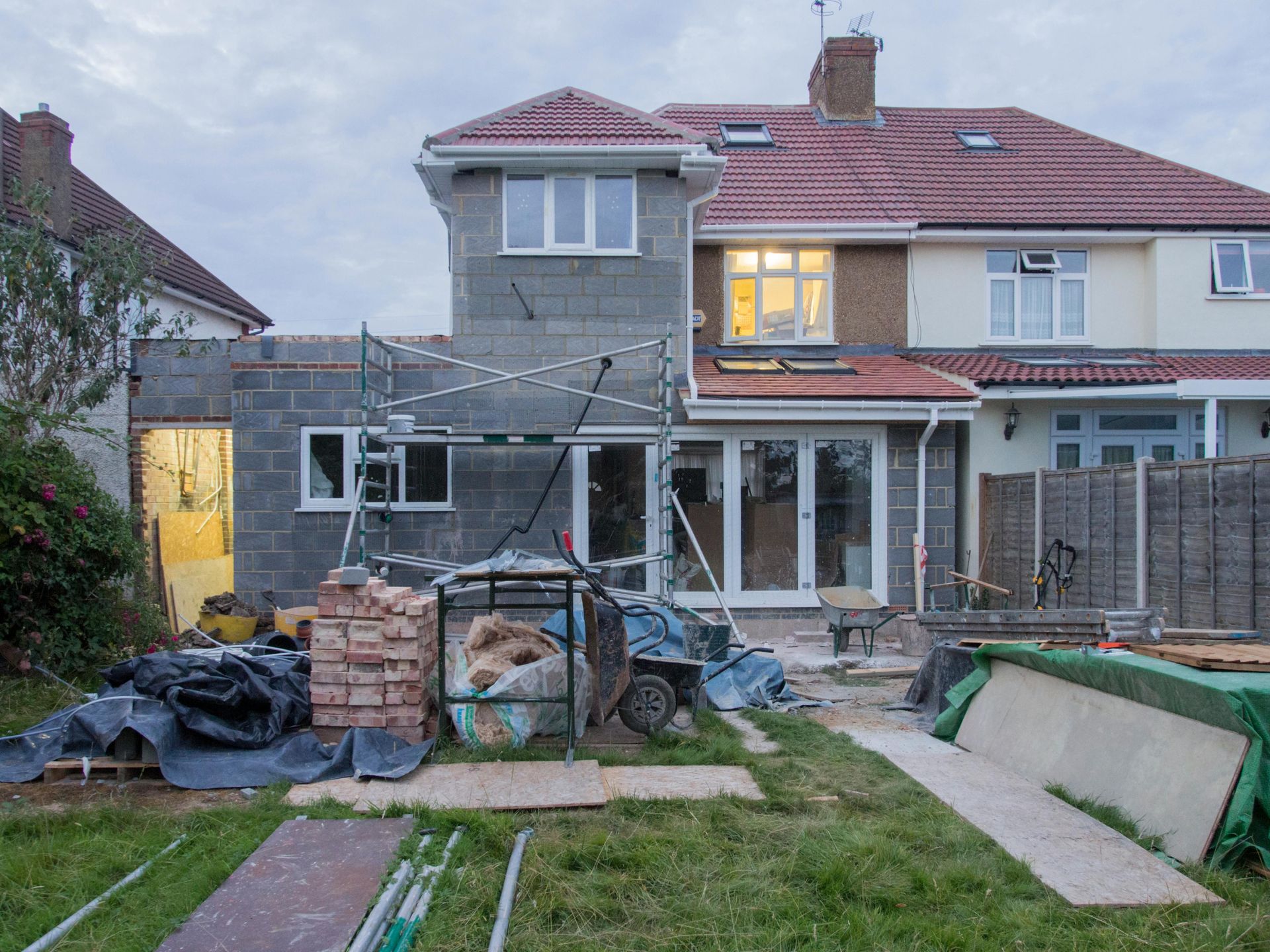
Room additions involve adding new conditioned living space to your existing home. These projects include foundation excavation, footings, framing, roof integration, exterior finishes, and interior finishes. The complexity varies based on site constraints, foundation type, and the need to integrate mechanical systems. Proper planning and experienced execution ensure structural stability, weatherproofing, and aesthetic continuity.
1999
Year Established
Why Room Additions Matter
Increased Living Space
Addons provide family rooms, master suites, in-law spaces, or additional bedrooms without the hassle of relocation.
Cost-Effective Growth
Compared to purchasing a larger home, additions often provide a better cost-per-square-foot increase in functional space and help retain neighborhood stability.
Customization
Additions are tailored to your lifestyle needs—multi-generational living, home offices, or expanded entertainment spaces.
Preservation
Additions allow homeowners to preserve neighborhood context and property ties while adapting their home to modern needs.
Key Benefits of Our Addition Services
Structural Expertise:
We ensure proper footing, foundation, and load-bearing framing for long-term stability.
Code Compliance and Permits:
We coordinate required permits and inspections to ensure compliant construction.
Weatherproofing and Drainage:
Proper flashing, gutters, and site grading prevent moisture problems at the junction between old and new structures.
Seamless Integration:
Exterior materials, rooflines, and interior finishes are matched to integrate with the existing dwelling.
Mechanical Integration:
HVAC, plumbing, and electrical systems are extended or upgraded to accommodate new space.
Efficient Project Management:
Scheduling minimizes disruption when the addition interfaces with occupied living spaces.
Our Room Addition Process
Feasibility & Site Assessment
Evaluate lot constraints, utility locations, and feasibility relative to local zoning codes.
Permits & Engineering
Obtain structural engineering where necessary and submit permit applications.
Foundation & Framing
Excavate, pour footings, and frame walls and roof structures to integrate with the existing home.
Roof & Exterior
Tie in rooflines, match siding or apply new exterior finishes, and install windows and doors.
Mechanical & Insulation
Extend HVAC ductwork, install plumbing and electrical rough-ins, and insulate to code.
Final Inspections & Handover
Coordinate final inspection sign-offs and complete a client walkthrough.
Typical Addition Types We Build
- Single-room additions: Bedrooms, dens, playrooms, or offices.
- Master suite additions: Bedroom, en-suite bathroom, and closet space.
- Sunrooms and conservatories: Light-filled spaces with appropriate insulation and glazing.
- Garage conversions and bump-outs: Increasing interior square footage with minimal new foundation.
- Second-story additions: Adding space above existing structures when zoning and structure allow.
Design Considerations and Challenges
- Site Drainage and Grade: Proper grading and waterproofing prevent water from entering the new or existing foundation.
- Matching Materials: For historic homes, material selection and color matching are important for visual continuity.
- Structural Tie-ins: Connecting new framing to existing structure requires careful detailing to avoid settling or movement issues.
- Access and Phasing: Minimizing disruption to occupants while providing safe access during construction.
Cost and Timeline Factors
Foundation type and site conditions influence cost and time.
Size and complexity of the addition.
Choice of exterior and interior finishes.
Need for mechanical system upgrades or expansion.
Typical timelines can range from several weeks for small additions to several months for larger, multi-room additions. We provide a detailed schedule during the bidding process.
Frequently Asked Questions (FAQs)
Do additions require architectural drawings?
Depending on scope, architectural drawings or engineering documents may be required for permits and to ensure structural integrity.
How do you handle the transition between existing house and addition?
We detail the transition with proper flashing, expansion joints where required, and consistent interior trim to create a natural flow.
What about foundation settling concerns?
We use proper footings, appropriate backfill compaction, and drainage best practices to minimize settlement. For complex soils, we involve geotechnical recommendations.
Can you match exterior finishes to older homes?
Yes. We source matching or complementary siding, trim, and roofing products to preserve curb appeal and coherence.
Will adding a room raise my property taxes?
Likely yes, as added conditioned square footage typically increases assessed value. We recommend consulting with your assessor if tax implications are a concern.
How to Get Started
To discuss a project, request a detailed estimate, or schedule a site visit, start with a free consultation and receive a written proposal tailored to your goals and budget.
Phone
We’ll arrange an on-site visit, evaluate the scope, and provide a written estimate with a clear timeline and cost breakdown.